Home · Services · Water Removal After a Fire
Water Removal After a Fire in Springfield, VA
Quick answer
Firefighting water removal in Springfield started immediately and closed on recorded moisture readings in Springfield, shaped by ramblers, split-levels, and townhome communities where heating-season fires and attached construction spread smoke fast.
The Springfield read on water Removal After a Fire: 1950s and 1960s ramblers and split-levels, brick colonials, and townhome communities, much of it built when heating plants and wiring were sized for a different era. Backlick Run and the area's humid summers, cold winters with real heating load, ice storms, and summer storm bands decide what gets scoped first, and that order is written into the scope before anyone commits to a price.
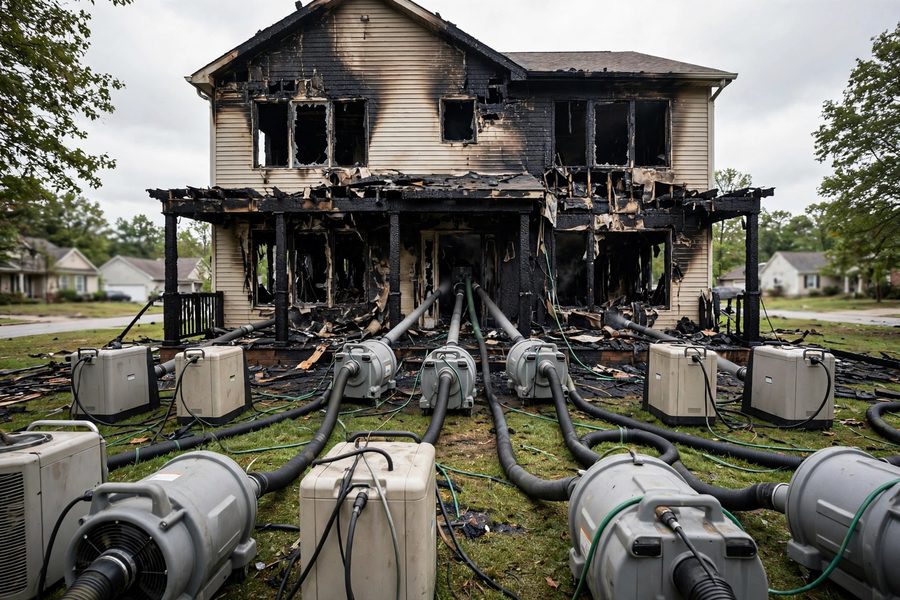
How we approach this job
Diagnosis and insurance documentation: For water removal after a fire in Springfield, the buying situation is a problem with a cause: find the real source, document it with photographs and readings for any claim, and only then price the fix.
Signs you need water removal after a fire
- Standing water or soaked flooring in the rooms that burned and below them. It usually means the water that saved the structure is now its second loss.
- Water stains spreading on ceilings under the fire floor. It usually means plaster, hardwood, and lower levels hide water that meters must clear.
- Wet insulation, drywall, and baseboards near the fire area. It usually means the drying clock started at the fire, not at the discovery.
- A musty smell starting within a day or two of the fire. It usually means mold has started in the wet assemblies; the drying scope now includes the growth question.
What the job involves
What affects the price
- How much water was used, which tracks with how long the fire burned
- How many levels the water reached, including the floor below the fire
- Materials involved: hardwood, laminate, and carpet over pad all dry differently
- Whether contaminated material must come out rather than dry
- Equipment days the moisture readings actually require
When it is an emergency
Firefighting water starts a mold clock of roughly 24 to 48 hours in warm conditions. The fire damage is the visible emergency, but the water sets the deadline: extraction and drying belong in the first scope of work, not a later phase.
PLACEHOLDERWater Removal After a Fire across the Springfield area
Related services
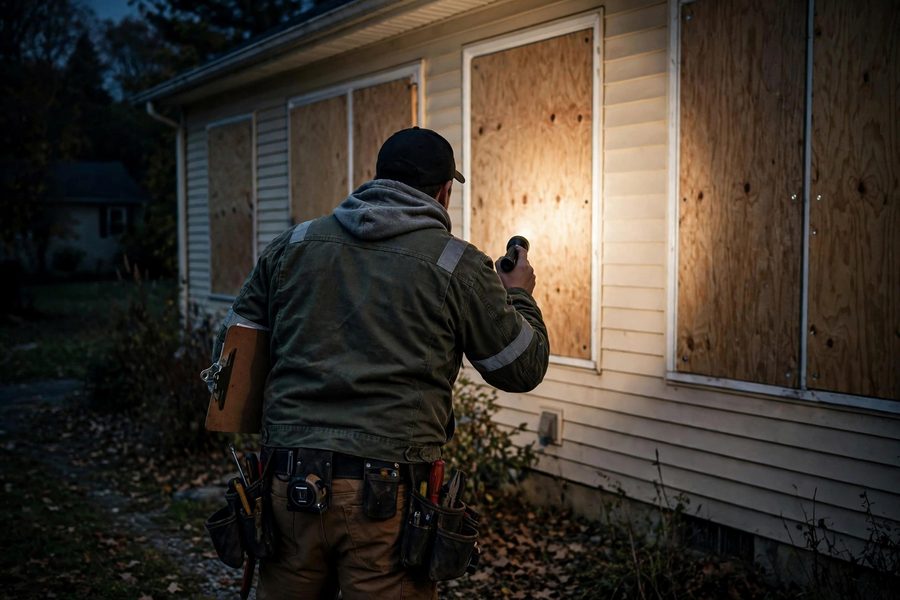
Emergency Board Up and Tarping
Board-up in Springfield built to shed the next rain band, photographed for the claim before anything is covered in Springfield, shaped by ramblers, split-levels, and townhome communities where heating-season fires and attached construction spread smoke fast.
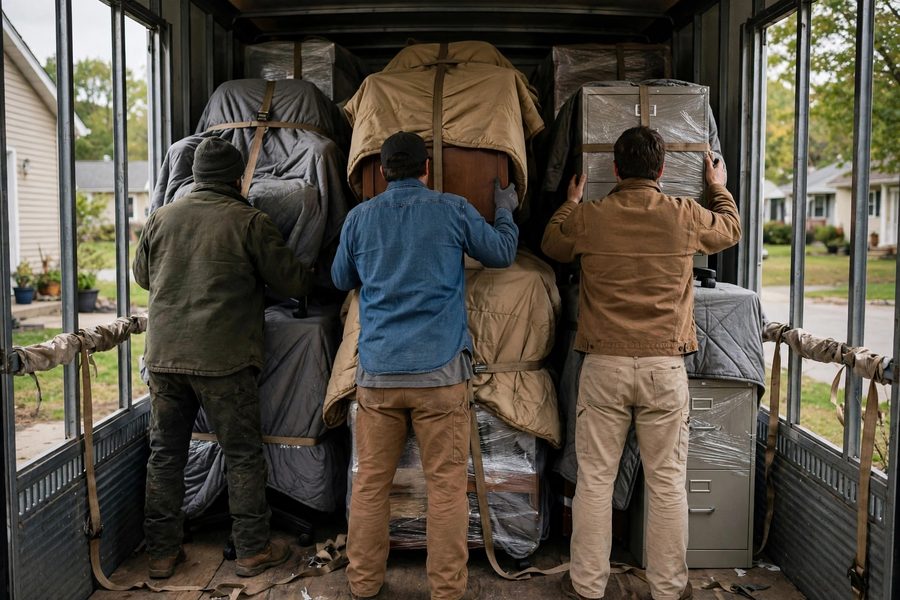
Commercial Fire Damage
Commercial fire restoration in Springfield phased around inventory and interruption documentation in Springfield, shaped by ramblers, split-levels, and townhome communities where heating-season fires and attached construction spread smoke fast.
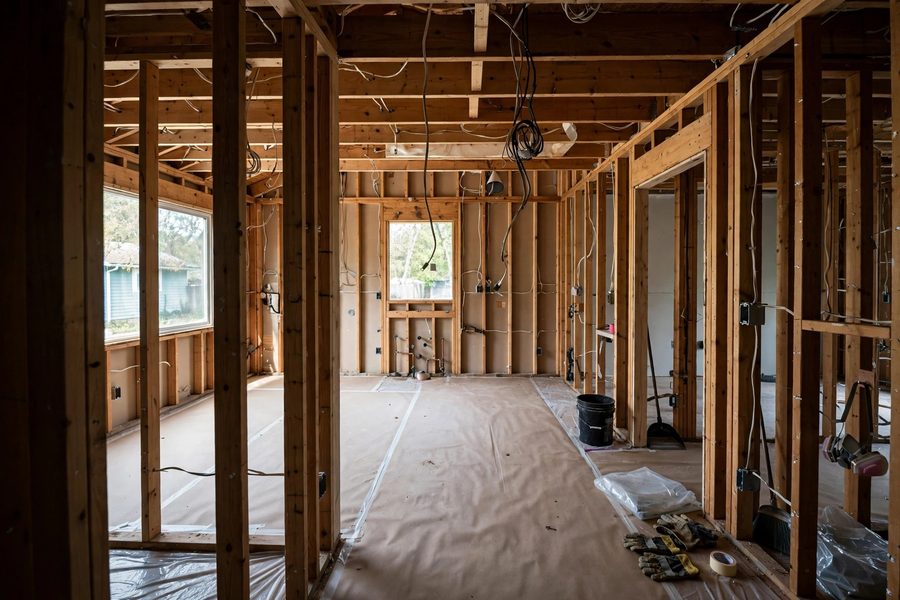
Kitchen Fire Cleanup
Kitchen fire cleanup in Springfield that treats the invisible protein film, not just the visible burn in Springfield, shaped by ramblers, split-levels, and townhome communities where heating-season fires and attached construction spread smoke fast.
Furnace Puff Back Cleanup
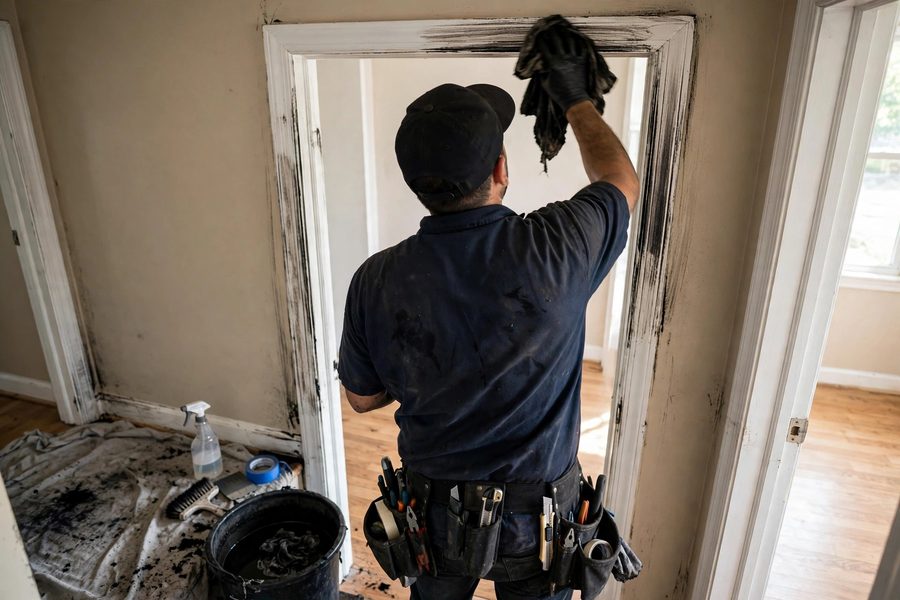
Puff-back cleanup in Springfield mapped along the duct system the soot actually travelled in Springfield, shaped by ramblers, split-levels, and townhome communities where heating-season fires and attached construction spread smoke fast.
Water Removal After a Fire questions, answered
When is water removal after a fire an emergency?
Firefighting water starts a mold clock of roughly 24 to 48 hours in warm conditions. The fire damage is the visible emergency, but the water sets the deadline: extraction and drying belong in the first scope of work, not a later phase.
What affects the price of water removal after a fire in Springfield?
The main price factors for water removal after a fire are covered in the cost section above. The contractor confirms the exact price in a written estimate after seeing the job, and nothing is owed until you approve it. The call and the referral are free.
How long does fire restoration take?
Smoke only losses typically take one to two weeks from first cleaning to odor treatment. A fire that damages structure runs to months: one or two rooms with structural work commonly take three to six weeks of active repair, and larger structural losses can run three to nine months including permits and inspections. The variables are the scope the insurer approves, material lead times, and inspection scheduling. A contractor should give you a phase timeline in writing, not a single date promised on the phone.
Can I clean soot and smoke damage myself?
For a very light smoke film in one room, careful cleaning is possible, but two warnings matter. First, never wet wipe soot before dry lifting it: water and household cleaners smear soot and can set stains into paint permanently. Second, protein smoke from a kitchen fire and soot inside ducts, cabinets, and wall cavities are beyond household tools, and acidic soot left sitting etches metals and finishes within days. If the smell or film reaches more than the room that burned, a professional assessment is the safer call.
Will insurance pay for temporary housing after a fire?
Usually yes, if your policy includes loss of use (Coverage D), which most standard homeowners policies do. It pays the additional living expenses of being displaced, hotel or rental, and the increased cost of meals and essentials, up to your policy limit, while the home is uninhabitable due to a covered loss. Keep every receipt from the first night. If the home is habitable after the assessment, loss of use generally does not apply, which is one reason the habitability decision gets documented carefully.
Request a callback
Prefer to talk later? Leave your details and an independent local pro will call you back. No charge to you, no obligation.
Backlick Run Fire Restoration is a free referral service. Submitting this form connects you with independent local contractors who provide the work.